

What Is a Sales Funnel? Your Ultimate Guide for 2026

Heading 1
Heading 2
Heading 3
Heading 4
Heading 5
Heading 6
Lorem ipsum dolor sit amet, consectetur adipiscing elit, sed do eiusmod tempor incididunt ut labore et dolore magna aliqua. Ut enim ad minim veniam, quis nostrud exercitation ullamco laboris nisi ut aliquip ex ea commodo consequat. Duis aute irure dolor in reprehenderit in voluptate velit esse cillum dolore eu fugiat nulla pariatur.
Block quote
Ordered list
- Item 1
- Item 2
- Item 3
Unordered list
- Item A
- Item B
- Item C
Bold text
Emphasis
Superscript
Subscript

What Is a Sales Funnel? Your Ultimate Guide for 2026

Karthik A
Join us on November 6th as Mr. Yash Mishra, Product Manager, Fatakpay, reveals the precise strategies that eliminates the speed trap and guarantees a 30% conversion boost.
Sales funnel sounds simple, but why do so many leads come in and still only a few turn into customers?
You might be getting enquiries from ads, website, or referrals. Conversations happen, demos are given, follow-ups are done. Yet somewhere in between, deals slow down or quietly drop off without clear reasons.
This usually happens when there is no clear understanding of how leads move from one stage to the next. Without a structured sales funnel, teams rely on guesswork, follow-ups become inconsistent, and opportunities slip without visibility.
According to Marketing LTB, businesses with a documented sales funnel generate 2.3x more ROI than those without one. Understanding the sales funnel helps you track every stage, identify where you are losing prospects, and fix what is not working before it impacts revenue.
Key takeaways
- A sales funnel is a structured journey that shows how prospects move from awareness to becoming customers, helping businesses track, manage, and improve conversions at each stage.
- 6 sales funnel stages: Awareness → Interest → Consideration → Decision → Action → Retention, where each stage reflects a different level of intent and requires a different approach to move prospects forward.
- Sales funnel metrics to track: Key metrics include lead volume, stage-wise conversion rates, sales cycle length, win rate, pipeline velocity, and drop-off points to identify gaps and improve performance.
- Sales funnel vs flywheel: The funnel focuses on converting leads into customers, while the flywheel focuses on retaining and leveraging customers to drive continuous, compounding growth.
What is a sales funnel?
A sales funnel is a structured representation of how potential customers move from first awareness to final purchase. It shows the different stages a prospect goes through before becoming a customer, helping businesses understand where leads are coming from, how they progress, and where they drop off.
Typically, a sales funnel includes stages like awareness, interest, consideration, decision, and action. At the top, many people become aware of your product. As they move down, only a smaller group shows real interest, evaluates the solution, and finally makes a purchase. This “funnel” shape reflects how leads get filtered at each stage.
For example, imagine a business receives 100 enquiries.
- 100 people become aware
- 40 show interest
- 20 seriously evaluate
- 10 move to decision
- 5 become customers
This structured flow helps businesses understand how many leads are needed at the top to achieve desired sales at the bottom. When used correctly, it helps businesses move from random selling to a more predictable and optimized sales process.
Why is a sales funnel important? 5 Benefits
Many businesses generate leads but still struggle to convert them into customers. The issue is not always lead volume. It is the lack of clarity on how leads move, where they slow down, and what needs to happen next. A sales funnel solves this by giving structure to the entire journey.
Here are the top five benefits of a sales funnel.
1. Gives complete visibility into how deals actually move
A sales funnel breaks your sales journey into clear stages.
Instead of seeing leads as a single list, you see where each prospect stands. Are they just exploring, evaluating seriously, or ready to buy? This clarity helps sales teams prioritize better.
For example, a lead in the decision stage needs quick follow-up, while an early-stage lead needs more nurturing. Without this visibility, teams either over-focus on the wrong leads or miss high-intent opportunities.
2. Helps diagnose exactly where you are losing revenue
Every business loses potential customers at some stage.
The problem is most teams do not know where or why. A sales funnel highlights drop-off points clearly. If prospects are not moving past qualification, your targeting may be wrong. If they drop after demos, your value communication may be weak.
This level of insight allows you to fix specific issues instead of making broad assumptions. Over time, even small improvements at key stages can significantly increase overall revenue.
3. Improves conversion rates at every stage
A funnel allows you to optimize step by step instead of trying to fix everything at once.
You can improve how leads are qualified, how demos are conducted, how objections are handled, and how follow-ups are managed. Each improvement increases the likelihood of leads moving to the next stage.
For example, improving follow-up consistency alone can revive deals that would otherwise go cold. These incremental gains compound and lead to higher conversions overall.
4. Makes revenue forecasting more accurate and reliable
Without a funnel, forecasting is mostly guesswork.
A structured funnel shows how many leads are in each stage and the historical conversion rate between stages. This allows you to estimate how many deals are likely to close in a given period.
For instance, if 20% of qualified leads typically convert and you have 100 in that stage, you can estimate outcomes more confidently. This helps in planning hiring, budgets, and targets with less uncertainty.
Also read: What is Sales Forecasting and Why is it Important?
5. Aligns sales and marketing around a shared system
Sales and marketing often work in silos because they track different things.
A sales funnel connects both teams through a shared view. Marketing can see which campaigns are generating leads that actually move forward, not just sign-ups. Sales can understand the context behind each lead.
The sales and marketing alignment improves lead quality, reduces friction, and ensures both teams focus on driving real business outcomes instead of isolated metrics.
A sales funnel is not just a model. It is a control system for your revenue process. It helps you see what is working, fix what is not, and improve how leads turn into customers. Without it, sales remains reactive and inconsistent. With it, sales becomes structured, measurable, and far more predictable.
6 Stages of the sales funnel
Most businesses think sales is about closing deals. But in reality, customers move through a journey before they decide. If you do not understand this journey, you end up pushing too early or following up too late.
The sales funnel helps you match your approach to the customer’s mindset at each stage, which is what actually improves conversions.
Here are the six stages of the sales funnel:
1. Awareness (Problem recognition stage)
This is where everything begins.
At this stage, the customer either realizes a problem or comes across your brand for the first time. They are not actively looking to buy yet. They are just becoming aware that something needs attention.
For example, a company struggling with scattered leads might not even know they need a CRM. They just feel the pain of missed follow-ups and unclear pipelines.
Your job here is not to sell. It is to educate and attract attention.
This happens through:
- Blogs, SEO, social media content
- Ads and brand campaigns
- Referrals and word-of-mouth
If awareness is weak, your funnel remains empty. No awareness means no leads.
Also read: Competitions Aren't Spammy Anymore: A to Z of Contest Marketing
2. Interest (Engagement stage)
Now the prospect starts paying attention.
They visit your website, read your content, follow your brand, or sign up for a newsletter. They are exploring the problem more seriously but are still not ready to evaluate solutions deeply.
At this stage, they are asking:
- “Is this problem worth solving?”
- “What are the possible approaches?”
Your role is to build trust and keep them engaged.
This is done through:
- Educational content and guides
- Case studies and industry insights
- Email nurturing and webinars
If you push for a sale here, you lose credibility. The focus should be on value, not conversion.
Also read: Lead Nurturing Strategies to Increase Sales and Revenue
3. Consideration (Evaluation stage)
This is where intent becomes clear.
The prospect now understands the problem and starts evaluating solutions. They compare options, look at features, and may interact with your sales team.
Typical actions include:
- Requesting demos
- Comparing competitors
- Asking detailed questions
This is a critical stage because most drop-offs happen here.
Your job is to:
- Map your solution to their exact use case
- Show clear differentiation
- Demonstrate real outcomes
Generic pitches fail here. Relevance wins.
4. Decision (Validation stage)
Now the prospect is close to buying.
They have shortlisted options and are evaluating final factors like pricing, ROI, implementation effort, and risk.
At this stage, the mindset shifts to:
- “Can I trust this solution?”
- “Is this worth the investment?”
Your focus should be on removing friction and building confidence.
This includes:
- Handling objections clearly
- Providing transparent pricing
- Sharing proof like testimonials or case studies
Even small delays or unclear answers can push the deal away at this stage.
5. Action (Conversion stage)
This is where the deal closes.
The prospect becomes a customer by signing a contract, making a payment, or confirming the purchase.
But this stage is not just about saying “yes.” It is about ensuring:
- Clear expectations
- Defined next steps
- Smooth transition into onboarding
A rushed or unclear closure can create problems later, even if the deal is won.
6. Retention (Growth and relationship stage)
Most businesses ignore this stage, but it is where long-term value comes from.
Once the deal is closed, the focus shifts to:
- Onboarding the customer properly
- Ensuring they see value quickly
- Maintaining regular engagement
Satisfied customers lead to:
- Renewals
- Upsells
- Referrals
If retention is weak, you keep losing customers and constantly depend on new leads to grow. What does this really mean? Each stage of the funnel reflects a different level of intent and readiness.
Awareness → Interest → Consideration → Decision → Action → Retention
If you treat all leads the same, you lose them. But when you align your approach with each stage, you guide customers naturally toward a decision and build long-term relationships. That is what makes sales predictable, scalable, and sustainable.
How to build a high-converting sales funnel: A 10-step framework
Most businesses think they have a funnel. In reality, they just have leads coming in and some deals closing. The gap between those two is where conversions are lost.
A high-converting sales funnel is not built by chance. It is designed by understanding customer behavior, structuring each stage properly, and removing friction at every step.
Here are the 10 steps to build a high-converting sales funnel.
1. Define your Ideal Customer Profile with depth
Everything starts here.
If you attract the wrong audience, no funnel will convert. Go beyond basic filters like industry or company size. Understand:
- What problems they are actively facing
- What triggers them to look for a solution
- Who is involved in the decision
- What objections they usually have
For example, a company struggling with missed follow-ups has a very different urgency compared to one just exploring tools.
When your targeting is sharp, your funnel starts with high-intent leads instead of random traffic.
2. Build strong awareness with problem-led positioning
Top-of-funnel is where most funnels fail.
Many businesses talk about their product too early. But customers at this stage are not looking for features. They are trying to understand their problem.
Your content and campaigns should focus on:
- Highlighting pain points
- Creating relatability
- Showing possible outcomes
Channels include SEO, ads, LinkedIn, referrals, and content marketing.
If awareness is weak or irrelevant, your funnel never gets quality input.
3. Create clear and compelling entry points
Once someone shows interest, the next step should be obvious.
Do not make users think about what to do next. Use strong calls-to-action like:
- Book a demo
- Start a free trial
- Download a guide
- Request a consultation
Each entry point should clearly communicate what value the user will get.
If this step is unclear, you lose potential leads even before they enter the funnel.
4. Capture and organize leads with context
Leads without context are difficult to convert.
When someone enters your funnel, capture not just their contact details but also:
- Source (where they came from)
- Intent (what they are looking for)
- Behavior (what they interacted with)
This context helps both marketing and sales understand how to approach the lead.
Without this, every conversation starts from zero.
5. Qualify leads to focus on real opportunities
Not every lead deserves equal attention.
Define qualification criteria such as need, urgency, budget, and fit. This helps filter out leads that are unlikely to convert.
For example:
- A lead actively evaluating solutions → high priority
- A lead just exploring content → needs nurturing
This ensures your team spends time where it matters most.
Also read: Using the BANT Framework for Lead Qualification
6. Nurture leads with stage-specific communication
Most leads do not convert immediately.
They need time, information, and trust before making a decision. This is where nurturing becomes critical.
Use:
- Email sequences
- Case studies
- Product explainers
- Industry insights
But the key is relevance. Early-stage leads need education. Late-stage leads need validation.
Wrong message at the wrong time reduces conversion.
7. Deliver personalized and problem-focused demos
This is where many deals are won or lost.
A generic demo shows features. A good demo shows how the product fits the customer’s workflow.
Focus on:
- Their specific problem
- How your solution solves it
- What outcomes they can expect
When prospects see themselves using the product, confidence increases.
8. Handle objections before they slow the deal
Objections are not barriers. They are signals.
Common concerns include pricing, implementation, integration, and ROI. Address these proactively instead of waiting for the closing stage.
Clarity at this stage reduces hesitation and keeps momentum intact.
9. Simplify the decision and closing process
Even interested prospects drop off if the process is complex.
Make it easy to move forward:
- Clear pricing and terms
- Defined next steps
- Quick responses
The easier you make the decision, the higher your conversion.
10. Optimize continuously using data
A funnel is never perfect from the start.
Track metrics like:
- Conversion rate at each stage
- Drop-off points
- Follow-up delays
For example, if many leads drop after demos, improve demo quality. If leads are not converting after first contact, improve qualification or messaging.
Small improvements at each stage create a large overall impact. A high-converting funnel is not about pushing leads to buy. It is about guiding them with clarity at every step of their journey.
Right audience → relevant messaging → structured process → continuous optimization
When all these elements work together, your funnel stops leaking
opportunities and starts generating consistent, predictable revenue.
Sales funnel metrics you must track
Most businesses build a funnel but fail to improve it. The reason is simple. They track activity, not performance.
If you want your funnel to convert better, you need to track where leads are coming from, how they move, and where they drop off. These metrics give you control over your pipeline instead of guessing what is working.
1. Lead volume (top-of-funnel health)
This shows how many leads are entering your funnel.
Track leads from different sources like ads, organic traffic, referrals, and outbound efforts. But do not just look at volume. Look at quality as well.
High volume with low conversion usually means poor targeting.
2. Lead-to-MQL and MQL-to-SQL conversion rates
This measures how well leads are progressing in early stages.
- Lead → MQL shows initial interest and fit
- MQL → SQL shows sales readiness
If these rates are low, your messaging, targeting, or qualification criteria may be weak.
3. Stage-wise conversion rates
This is one of the most important metrics.
Track how many leads move from one stage to the next:
- Awareness → Interest
- Interest → Consideration
- Consideration → Decision
This helps you identify exactly where prospects are dropping off.
4. Sales cycle length
This shows how long it takes to convert a lead into a customer.
A longer cycle may indicate delays in follow-ups, unclear communication, or complex decision-making.
Shorter cycles usually mean a smoother and more efficient funnel.
Also read: How To Accelerate Sales Cycle And Why Is It Important For Businesses
5. Win rate (conversion to customers)
This tells you how many qualified opportunities turn into actual deals.
Win rate = Deals won ÷ Total opportunities
A low win rate usually points to poor qualification, weak demos, or unresolved objections.
6. Pipeline velocity
This shows how fast revenue is moving through your funnel.
Pipeline velocity = (Number of opportunities × Deal value × Win rate) ÷ Sales cycle length
It combines volume, value, conversion, and speed into one metric.
Higher velocity means your funnel is efficient and healthy.
7. Customer acquisition cost (CAC)
This measures how much it costs to acquire a customer.
CAC = Total sales and marketing cost ÷ Number of customers acquired
If CAC is too high, your funnel may be inefficient or targeting the wrong audience.
Also read: 8 Ways to Reduce Customer Acquisition Cost (CAC)
8. Drop-off rate at each stage
This shows where leads are exiting the funnel.
If many leads drop after demos, your presentation may need improvement. If they drop early, your targeting or messaging may be off.
Understanding drop-offs helps you fix the exact stage causing loss.
9. Follow-up response rate
Many deals are lost due to poor follow-ups.
Track how often prospects respond to emails, calls, or messages. Low response rates indicate weak communication or poor timing.
Better follow-ups → better engagement → better conversions
Sales funnel metrics are not just numbers. They are signals. They show where your funnel is strong, where it is weak, and what needs improvement. When you track the right metrics, you stop guessing and start improving your funnel with clarity.
Also read: 16 Common Sales Follow-Up Challenges and How to Solve Them
12 Sales funnel optimization strategies
Most businesses build a funnel but fail to improve it. The reason is simple. They track activity, not performance.
If you want your funnel to convert better, you need to track where leads are coming from, how they move, and where they drop off. These metrics give you control over your pipeline instead of guessing what is working.
1. Tighten your top-of-funnel targeting
Most teams try to fix conversions later.
The real issue often starts at the top.
If your audience is too broad, you attract curiosity, not intent.
That leads to low-quality conversations and wasted effort.
What to do:
- Build a clear Ideal Customer Profile (industry, size, budget, urgency)
- Use high-intent keywords instead of broad ones
- Create specific campaigns for different segments
Example:
Instead of targeting “CRM software,” target “CRM for real estate sales teams.”
Specific targeting filters better prospects before they even enter your funnel.
2. Improve landing page conversions
You already paid for that click.
Now the page must do its job quickly.
Most visitors decide within seconds.
If your value is unclear, they leave.
What to optimize:
- Headline: Should clearly state outcome, not features
- Subheadline: Explain how you deliver that outcome
- CTA: One clear action, no confusion
- Proof: Testimonials, case studies, client logos
Also, remove distractions.
Every extra button or link reduces focus.
3. Respond instantly to new leads
Speed is not just important.
It directly impacts conversion rates.
When someone fills a form, interest is at its peak.
Delay even 30 minutes, and intent drops sharply.
What to implement:
- Instant lead assignment to reps
- Automated first response (email or WhatsApp)
- Alerts for high-intent actions (demo requests, pricing views)
This ensures no lead sits idle.
4. Qualify leads early and properly
Not every lead is worth equal effort.
Trying to convert everyone slows your team down.
Qualification helps you focus on deals that can actually close.
Use frameworks like:
- Budget
- Authority
- Need
- Timeline
What to do:
- Add qualification questions in forms
- Use lead scoring based on behavior
- Segment leads into hot, warm, cold
This avoids pipeline clutter and improves win rates.
5. Optimize your lead nurturing sequences
Most leads are not ready on day one.
But many are ready later if handled right.
Without nurturing, they forget you.
Or worse, they choose a competitor.
What works:
- Educational emails that solve real problems
- Case studies showing real outcomes
- Timely follow-ups based on behavior
Avoid generic “just checking in” messages.
Each touchpoint should add value or insight.
6. Identify and fix drop-offs in the funnel
This is where most revenue is lost.
But many teams don’t track it properly.
Look at your funnel stage by stage.
Find where deals slow down or disappear.
Common drop-off points:
- After demo
- After proposal
- During negotiation
What to do:
- Track conversion rate at each stage
- Analyze lost deals for patterns
- Improve messaging and handling at weak stages
Small fixes here can create big revenue impact.
7. Simplify the buying journey
Complexity kills momentum.
If prospects feel confused, they delay decisions.
And delays often turn into lost deals.
Simplify everything:
- Pricing should be easy to understand
- Proposals should be short and clear
- Next steps should always be defined
Your goal is to remove thinking effort for the buyer.
8. Align marketing and sales tightly
This gap silently damages your funnel.
Marketing promises one thing.
Sales says another.
The customer feels the disconnect immediately.
Fix this by:
- Sharing feedback on lead quality regularly
- Aligning messaging across campaigns and calls
- Defining what qualifies as a “sales-ready lead”
When both teams work as one system, conversions improve.
9. Use automation to remove manual gaps
Manual processes create delays, errors, and missed opportunities.
Leads get forgotten.
Follow-ups don’t happen.
Context gets lost.
A structured system solves this.
- Auto-assign leads instantly
- Set reminders for every follow-up
- Track conversations across channels
Tools like Corefactors CRM help unify your funnel so no deal slips through the cracks.
10. Continuously test and iterate
There is no “final version” of a funnel.
Markets change.
Buyer behavior evolves.
What works today may not work next quarter.
Adopt a testing mindset:
- A/B test landing pages and CTAs
- Experiment with different offers
- Try new follow-up sequences
Measure everything, then double down on what works.
11. Strengthen trust signals across the funnel
People don’t just buy products.
They buy confidence.
If your funnel lacks trust, conversions suffer even with good leads.
Add trust at every stage:
- Reviews and testimonials
- Case studies with clear results
- Transparent pricing and policies
Trust reduces hesitation and speeds up decisions.
12. Optimize post-sale to fuel the funnel
Your funnel doesn’t end at closing.
It loops back through referrals and retention.
Happy customers bring new leads.
Unhappy ones quietly damage your brand.
What to focus on:
- Smooth onboarding experience
- Regular engagement after purchase
- Asking for referrals at the right time
A strong post-sale experience feeds your top-of-funnel organically. A funnel is not a tool. It’s a system of connected decisions. Improve targeting, speed, clarity, and follow-ups. Remove friction at every stage. Do this consistently, and your funnel starts converting predictably instead of randomly.
Sales funnel vs flywheel: Is the funnel dead?
The sales funnel is a linear model that focuses on converting leads into customers, while the flywheel is a continuous, customer-centric model that focuses on retaining, delighting, and using customers to drive ongoing growth.
The sales funnel works like a pipeline. Leads enter at the top, move through stages, and a few convert into customers at the bottom. Once the deal is closed, the process is often treated as complete. For example, a company generates 100 leads, converts 10 into customers, and then focuses again on bringing new leads into the funnel. The focus here is acquisition and conversion.
The sales flywheel works differently. It does not stop at conversion. Instead, it focuses on the entire customer lifecycle. The idea is that happy customers bring referrals, repeat business, and long-term value. For example, a SaaS company not only closes a deal but ensures strong onboarding, support, and engagement. That satisfied customer renews, upgrades, and refers others, creating a loop of growth instead of a one-time transaction.
So, is the funnel dead? Not really. The funnel is still useful for managing conversions and tracking deal stages. But businesses today combine it with the flywheel approach to focus not just on closing deals, but on building long-term, compounding growth.
Tools to build and manage your sales funnel
A sales funnel does not run on strategy alone. It runs on systems that help you capture leads, track movement, and ensure no opportunity slips through.
If your tools are scattered, your funnel will be too. The right tools bring structure, visibility, and control to how leads move from entry to conversion.
1. CRM software (the backbone of your sales funnel)
If you get one tool right, it should be your CRM.
A customer relationship management (CRM) is where your entire funnel lives. Every lead, conversation, follow-up, and deal stage is tracked in one place. Instead of guessing where a prospect stands, you can see exactly how they are moving through the funnel.
It also helps you:
- Capture leads from multiple sources
- Assign and track ownership
- Manage pipeline stages clearly
- Set follow-ups and reminders
- Monitor conversion at each stage
Without a CRM, funnels exist only in theory. With a CRM, they become visible, measurable, and actionable.
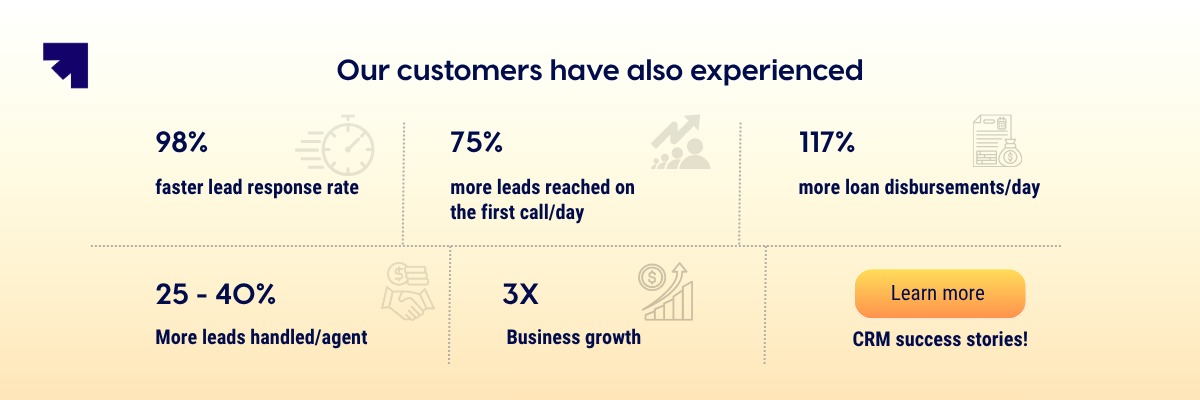
This is where tools like Corefactors, Salesforce, HubSpot CRM, Zoho CRM, and Pipedrive come in. They help you move from scattered tracking to a structured funnel that actually converts.
Learn more: 10 Best CRM Software in 2026
2. Marketing automation tools
These tools help bring leads into your funnel and nurture them.
They allow you to run email campaigns, segment audiences, and automate communication based on user behavior. This ensures prospects stay engaged even before they speak to sales.
A strong funnel starts with consistent and relevant engagement.
3. Landing page and lead capture tools
Your funnel entry points need to convert.
Landing page tools help you create focused pages for campaigns, offers, and demos. They ensure visitors take action instead of leaving.
Better entry points → higher lead capture → stronger funnel
4. Sales engagement tools
These tools help sales teams manage outreach effectively.
They support structured communication through emails, calls, and follow-ups. This ensures leads are contacted on time and consistently.
They reduce manual effort and improve response rates.
5. Analytics and reporting tools
You cannot improve what you do not measure.
Analytics tools help track funnel performance, conversion rates, and drop-offs. This gives you insights into what is working and what needs improvement.
They turn your funnel from guesswork into data-driven execution. Your funnel is only as strong as the systems supporting it. When tools are connected and structured, your funnel becomes easier to manage, optimize, and scale. And it almost always starts with a CRM at the center, bringing everything together into one clear, controlled process.
Bottom line?
A sales funnel is a structured way to understand how customers move from awareness to purchase. It gives clarity on what is working, where leads slow down, and how revenue is actually generated. When you define stages clearly, track the right metrics, and optimize each step, sales becomes predictable instead of random.
At the same time, growth does not stop at conversion. A good funnel brings customers in, but long-term results come from what happens after the deal. Retention, experience, and referrals quietly shape how fast your business grows, which is why modern teams look beyond just closing.
So the funnel is not dead. It is still the foundation. But the real shift is this: do not treat it as a one-way path. Build a system where you attract the right leads, guide them with clarity, convert them efficiently, and continue the relationship beyond the sale. That is what turns a funnel into consistent, sustainable growth.
Sales funnel: Related reads
What is Sales? The Ultimate Beginner-to-Pro Guide
What Is Presales? Definition, Difference & Strategic Steps Behind High-Performing Sales Teams
Sales Productivity: Benefits, Tools & Proven Tips to Improve Performance
Sales vs. Marketing: What’s the Difference in 2026?
What Is Sales Management? Meaning, Process, and Importance
5 Tips to Level Up Your Sales Process Automation
What is a Sales Quota and Why Does it Matter?
Heading 1
Heading 2
Heading 3
Heading 4
Heading 5
Heading 6
Lorem ipsum dolor sit amet, consectetur adipiscing elit, sed do eiusmod tempor incididunt ut labore et dolore magna aliqua. Ut enim ad minim veniam, quis nostrud exercitation ullamco laboris nisi ut aliquip ex ea commodo consequat. Duis aute irure dolor in reprehenderit in voluptate velit esse cillum dolore eu fugiat nulla pariatur.
Block quote
Ordered list
- Item 1
- Item 2
- Item 3
Unordered list
- Item A
- Item B
- Item C
Bold text
Emphasis
Superscript
Subscript
Frequently Asked Questions (FAQs)
What is a sales funnel?


A sales funnel is a step-by-step journey that shows how potential customers move from discovering your product to finally making a purchase. It helps businesses track lead movement, understand buyer behavior, and improve conversions at each stage instead of treating all leads the same.
What are the 6 stages of a sales funnel?
The six stages are Awareness, Interest, Consideration, Decision, Action, and Retention. These stages represent how a prospect’s intent evolves, from first learning about a solution to becoming a customer and continuing the relationship through repeat business or referrals.
What is an example of a sales funnel?
For example, a company runs ads and attracts 1,000 visitors (awareness). Out of them, 200 explore the website (interest), 80 request a demo (consideration), 40 evaluate seriously (decision), 20 make a purchase (action), and a portion continues using and recommending the product (retention). This flow shows how leads narrow down at each stage.
What is the difference between a sales funnel and a marketing funnel?
A marketing funnel focuses on attracting and nurturing potential customers through awareness and engagement, while a sales funnel focuses on converting those interested leads into paying customers. Marketing fills the funnel, and sales moves leads through it to close deals.
How can I fix a "leaky" sales funnel?
To fix a leaky funnel, identify where leads are dropping off and address that specific stage. Improve targeting if drop-off is early, refine demos and messaging if it happens mid-funnel, and simplify decision-making if it happens at the final stage. Consistent follow-ups and better qualification also play a major role in improving conversions.





.png)


.png)